Understanding Why Messaging Apps with System Permissions are Dangerous
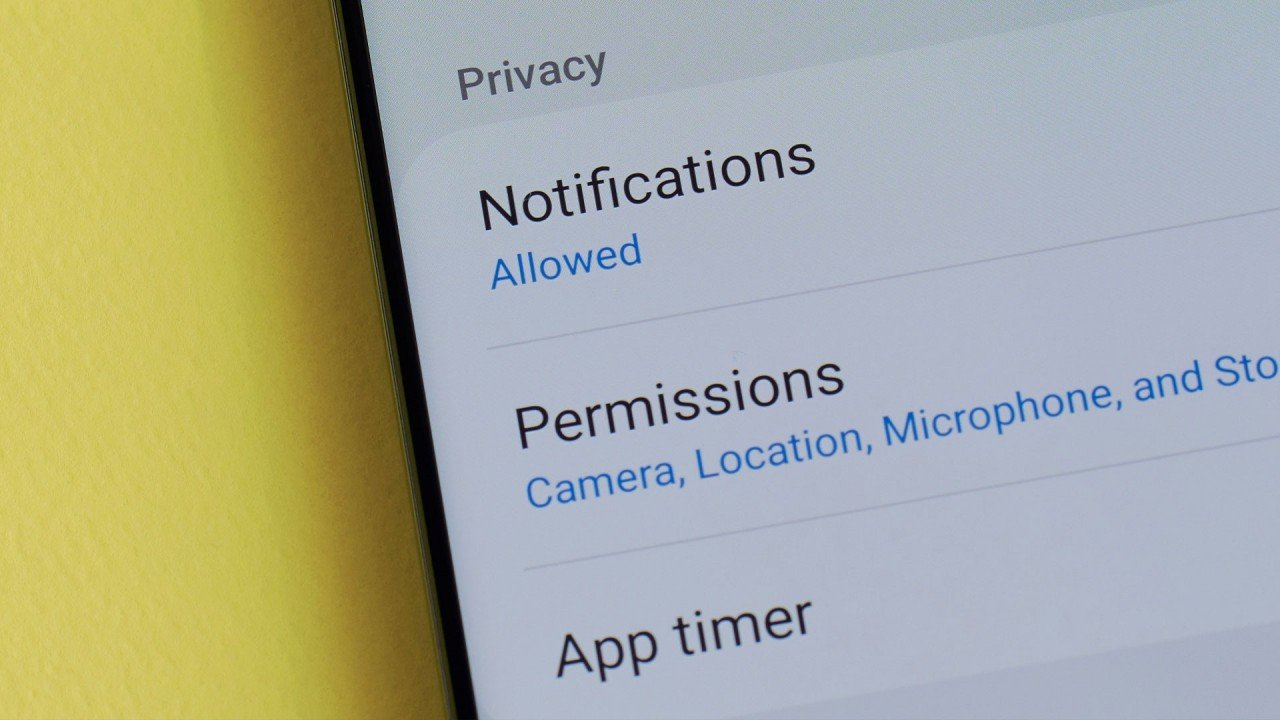
In the digital age, we have become accustomed to clicking "Allow" on every pop-up that appears after installing a new app. We want to chat, share, and connect, so we ignore the fine print. However, cyber security experts are increasingly warning us about why messaging apps with system permissions are dangerous. Every time you grant an app access to your files, microphone, or location, you are essentially handing over a master key to your private life to a corporate entity.
The reality is that most popular messaging tools are not just for communication—they are data collection machines. This is precisely why messaging apps with system permissions are dangerous; they create a permanent link between your identity and your hardware. This is where QLink offers a radical departure from the norm by operating entirely within your browser, requiring zero system permissions to function.
The Illusion of Choice in App Permissions
When you first open a typical chat app, it often tells you it "needs" access to your contacts to help you find friends. While this sounds helpful, it is a primary reason why messaging apps with system permissions are dangerous. By uploading your contact list to their servers, these companies build a "shadow profile" of everyone you know, even people who have never used the app. Your social network becomes a product for their advertising algorithms.
Furthermore, permissions for your microphone and camera can be even more intrusive. There have been countless reports of apps "listening" in the background to serve targeted ads. If you are wondering why messaging apps with system permissions are dangerous, consider the fact that once you give permission, you rarely check when the app is actually using those sensors. QLink solves this by being browser-based. Since there is no app to install, it simply cannot access your system files or sensors without the browser itself alerting you.
The Hidden Profit in Your Data
Big tech companies don't charge you for their apps because you are the product. Understanding why messaging apps with system permissions are dangerous involves following the money. They collect your location data, your message metadata, and your file history to sell to third-party advertisers. QLink rejects this model entirely, requiring no phone number, no email, and no personal data.
QLink: The Browser-Based Shield
Developed by Ramesh Poudel, QLink was designed with the specific goal of proving that we don't need intrusive apps to stay connected. If you understand why messaging apps with system permissions are dangerous, you will appreciate QLink’s browser-first approach. Because it runs at qicklink.com, it utilizes the built-in security filters of modern browsers like Chrome and Safari, which are often much more transparent than a standalone app's hidden code.
By bypassing the "App Store" ecosystem, QLink removes the risk of being tracked by OS-level identifiers. In a world where why messaging apps with system permissions are dangerous is a constant debate, QLink provides a clear answer: don't give the permissions in the first place. This "Zero-Permission" philosophy ensures that your private files and calls remain on your device, not on a corporate server.
Device Fingerprinting vs. Identity Tracking
Traditional apps track you by your SIM card and phone number. This is a core reason why messaging apps with system permissions are dangerous—they tie your words to your legal identity forever. QLink uses a more ethical approach called Device Fingerprinting. Instead of knowing who you are, the system only recognizes your hardware signature for that specific chat session. This ensures that even without an account, your connection remains secure and private.
If a hacker tries to access your chat from a different phone, the fingerprint won't match, and the vault remains sealed. This hardware-level protection is a superior alternative to the intrusive tracking methods that make people realize why messaging apps with system permissions are dangerous. It provides security without compromising your anonymity.
Silent Communication and Physical Privacy
Another reason why messaging apps with system permissions are dangerous is that they leave visible notifications and logs everywhere. QLink’s Feeling Mode (the white heart icon) allows for a physical pulse connection. By tapping it, you can vibrate your partner's phone silently. This tactile feedback requires no "vibration permission" beyond what the browser already allows, keeping your interaction subtle and off the radar.
Additionally, the "Additional Lock" feature addresses the physical risk of having your phone stolen. If you switch tabs for just one second, the chat is locked. In the context of why messaging apps with system permissions are dangerous, traditional apps often stay logged in, making your data vulnerable to anyone who holds your phone. QLink’s browser-level lock adds a much-needed layer of local security.
Automated Data Purging: The Anti-App Method
Apps love to store your data because data is valuable. This is exactly why messaging apps with system permissions are dangerous; your old photos and texts become a liability. QLink automatically wipes all media within 5 minutes and purges all text within 30 days. It doesn't ask for "Storage Permission" to save these files to your gallery—it simply ensures they disappear forever.
Transparency and the QICKLINK LEDGER
One of the scariest parts about why messaging apps with system permissions are dangerous is that their internal code is often a "black box." You don't know what they are really doing with your data. QLink provides the QICKLINK LEDGER, where you can see the encrypted hashes of messages moving through the system. You can't read the content, but you can verify that the system is operating as promised. This transparent, zero-knowledge proof is the opposite of the secretive behavior found in mainstream apps.
Safety Without Intrusion: Keyword Filtering
We understand that absolute privacy can be misused. However, we don't believe in using mass surveillance as a solution. Instead of constant spying, which is why messaging apps with system permissions are dangerous, QLink uses client-side Keyword Filtering. It only looks for specific criminal language. If illegal activity is detected, the device signature is locked. This protects the community without needing to read every private, legal conversation you have.
Conclusion: Reclaim Your Digital Sovereignty
The more permissions an app asks for, the more control you lose. Understanding why messaging apps with system permissions are dangerous is the first step toward digital freedom. By switching to a browser-based, zero-trace messenger like QLink, you are telling big tech that your personal data is not for sale. Protect your contacts, your sensors, and your identity by choosing a system designed for people, not for profit.
Related: The Best Chat Platform with Automatic Message Deletion and Media Wipe
Secure Messaging for Partners with Dual Password Protection | QLink How Blockchain-Like Ledger Technology Secures Private Messages | QLink Tech
Master Your Digital Privacy
Continue your journey toward total anonymity and secure communication.
Ready to speak freely without leaving a digital trace?
🚀 Start New Secure ChatNo App Required • No Permissions • Zero Trace
Powered by www.safemeofcl.org
Developed by Ramesh Poudel
Privacy is a human right. We build the tools to protect it.